

Invisalign®, over time, has become a popular orthodontic treatment for those looking to straighten their teeth without metal braces. These removable, clear aligners offer a more discreet path to straighter teeth, but many patients—understandably—want to know what they’ll pay before they commit.
The cost of Invisalign® treatment varies from person to person. Many factors shape the final number, including the complexity of your dental alignment, the length of your treatment plan, your provider’s location, and whether your insurance plan helps offset the cost.
Understanding how these variables work together can help you prepare and budget for your care.

What Is Invisalign® and How Does It Work?
Invisalign® clear aligners are part of a custom orthodontic treatment that gradually straightens teeth using a series of removable plastic trays. These aligners are created with computer-generated imaging to fit your teeth precisely and apply gentle, steady pressure to shift them into better alignment over time.
Unlike metal braces or traditional brackets, Invisalign® aligners don’t use wires. You can take them out when eating, brushing, or flossing, which many patients find more convenient. Invisalign® is used to treat common orthodontic issues like crowding, spacing, and mild to moderate bite problems.
Though the trays are removable, they must be worn most of the day—generally 20 to 22 hours—to stay on track with the treatment plan.
What’s the Average Cost of Invisalign® Treatment?
The average cost of Invisalign® treatment in the U.S. typically falls between $3,000 and $7,000. Some cases with simpler alignment issues may end up on the lower end of that range, while more complex cases that require longer treatment timelines or refinements may push costs higher.
Here’s how Invisalign® stacks up against other forms of orthodontic treatment when it comes to pricing:
| Treatment Type | Average Cost |
|---|---|
| Invisalign® treatment | $3,000–$7,000 |
| Traditional braces | $2,500–$6,000 |
| Metal braces | $2,000–$5,000 |
Invisalign® often costs slightly more than metal braces because it uses advanced digital imaging, requires custom manufacturing, and includes ongoing supervision. For some, this added flexibility and convenience justify the added expense.
What Affects the Cost of Invisalign® Treatment?
Several factors impact how much you’ll pay for Invisalign® clear aligners in Carmel, IN. Dental providers typically assess these details during an exam and consultation:
- Treatment complexity: More severe alignment or bite issues may require more aligners and visits.
- Treatment duration: Longer treatment can result in more materials and office time.
- Experience of the provider: Dentists or orthodontists with more specialized training may charge higher fees.
- Geographic location: Costs usually reflect the living expenses in your area.
- Number of aligner sets: More sets generally mean a higher cost.
This is why two patients rarely pay the same amount, even if they start with similar concerns.
What’s Typically Included in the Cost?
Not all offices include the same services, but most Invisalign® treatment plans cover your care from start to finish.
You can expect your total investment to include:
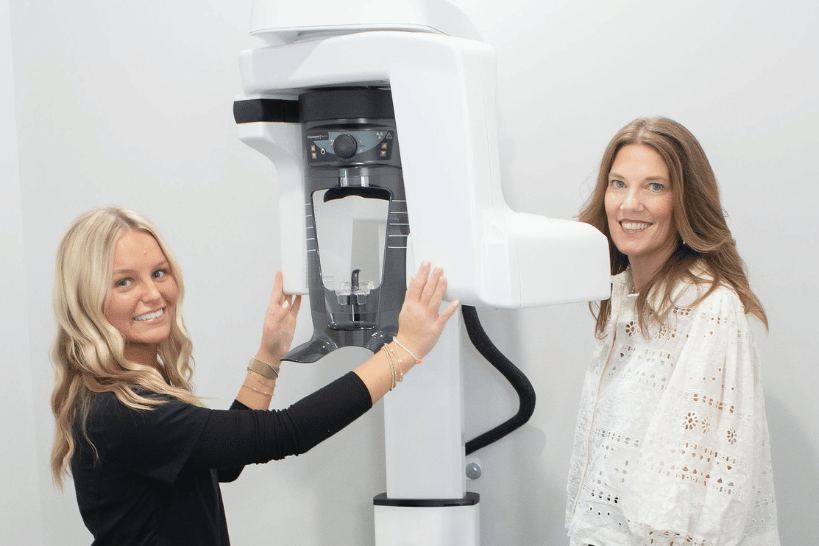
- A consultation and 3D imaging
- All sets of clear aligners
- Scheduled progress checks
- One or more sets of retainers after alignment is complete
- Refinement aligners if needed
Always ask your dentist in Carmel or orthodontist to provide a written treatment plan. This can make it easier to compare prices or understand what’s covered should you change providers.
Comparing Insurance Plans and Payment Options
For many patients, dental insurance makes Invisalign® treatment more affordable. If your insurance includes orthodontic treatment, there’s a good chance it will also apply to clear aligners. Some plans offer a fixed lifetime benefit ranging from $1,000 to $3,000, while others may pay a percentage of the total cost—often up to 50%, depending on your policy.
In addition to insurance coverage, many dental offices provide payment plans to help break the cost into monthly portions. These plans often run over six months to two years and may include interest-free options.
If you have a health savings account (HSA) or flexible spending account (FSA), you can also use these pre-tax funds to cover part or all of your Invisalign® expenses. Using these resources can reduce your out-of-pocket costs significantly.
When Is Invisalign® More (or Less) Expensive?
Not all Invisalign® cases are the same, which is why the price varies so much. Shorter treatment plans that correct only a few minor issues tend to be more affordable, especially when fewer aligners are needed.
In some cases, dentists use a product called Invisalign® Express, which includes fewer trays and takes less time to complete. This limited treatment often comes with a reduced price.
In contrast, more complex alignment issues—such as large gaps or significant bite misalignment—require more detailed planning and a longer series of aligners. These situations also often require more in-office appointments and refinements over time, which can increase the cost. Cases that involve relapse from earlier orthodontic treatment may also fall into this category, depending on how much tooth movement is needed.
Making the Right Financial Choice
The cost of Invisalign® treatment depends on what your smile needs, how long your plan lasts, and whether you have help from insurance or financing. While the average cost ranges from $3,000 to $7,000, your situation may fall on the high or low end of that range.
If you’re curious about what Invisalign® would cost in your case, the next step is to schedule a consultation. Your provider will evaluate your teeth, recommend a treatment plan, and provide a clear estimate, often with all costs outlined in advance.
A straighter smile doesn’t need to come with guesswork or confusion. With the right approach, Invisalign® can fit your needs, timeline, and budget.